Outdoor Audio Planning: Landscape Speakers for Your Backyard
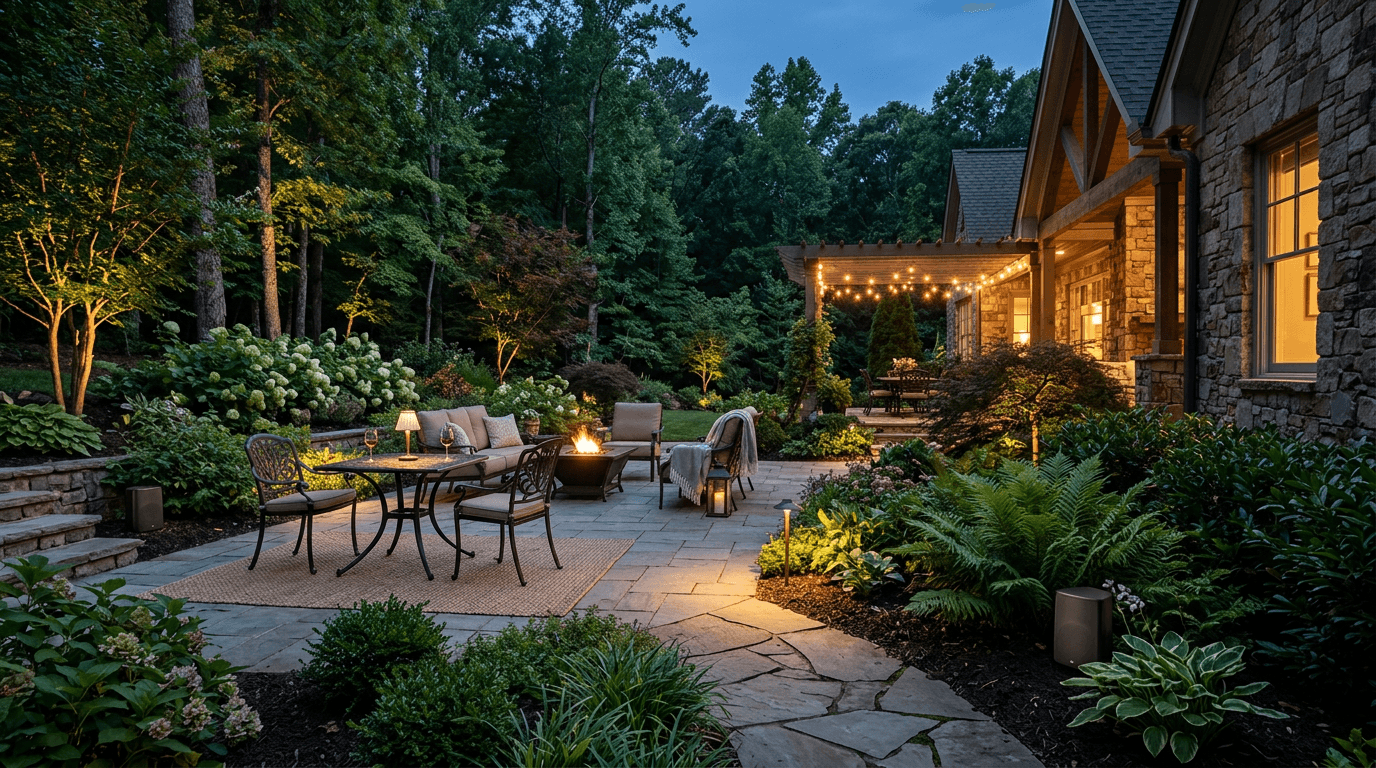
Outdoor audio can make a patio feel more inviting for dinner, a pool area more relaxed, or a larger yard easier to enjoy with friends. But sound behaves differently outdoors than inside a room: there are no walls to contain it, plants and hardscape change how it carries, and one loud speaker can leave nearby seats too loud while the rest of the yard hears very little. A good plan begins with where you listen and how you want the space to feel.
Map listening areas before choosing equipment
Start by marking the places where people actually spend time: dining table, lounge chairs, pool deck, outdoor kitchen, or a path between zones. Note the usual seating positions and where a sound source would be visible. The goal is comfortable, even coverage in the areas you use—not maximum volume across the entire neighborhood.
Decide whether you want one independent patio zone or music in several parts of the yard. That choice affects how a system is arranged and controlled, so it is useful to make it before speakers and wiring are selected.
Favor distributed sound over one loud source
A single speaker turned up high often creates a hot spot near the source and weak sound farther away. Several appropriately selected speakers, positioned to cover the listening area, can provide a more even experience at a lower volume. Final spacing depends on the equipment, mounting position, obstacles, and size of the zone; use the manufacturer’s guidance and an installer’s listening test rather than treating one spacing number as universal.
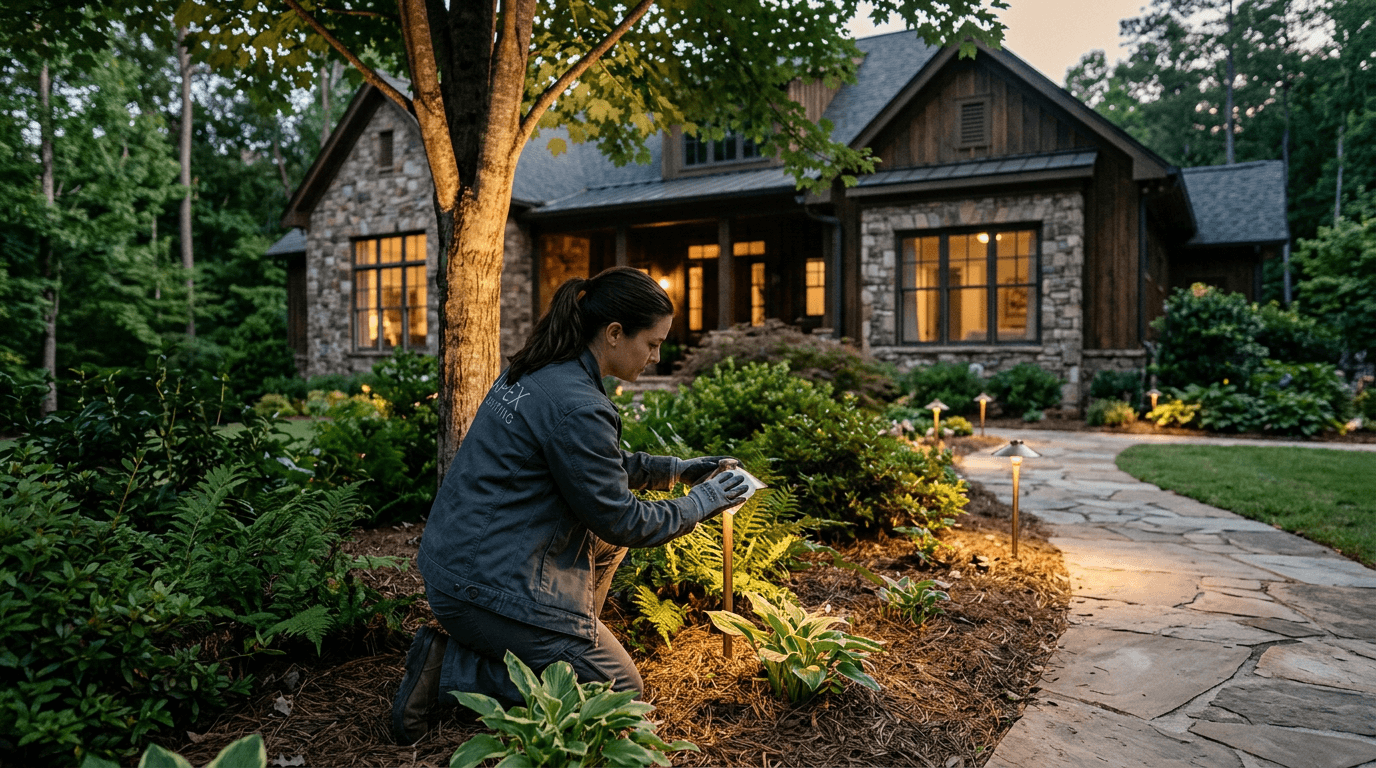
Landscape speakers can be tucked into planting beds or positioned near hardscape so they blend into the surroundings. Keep them accessible for service, clear of routine trimming and foot traffic, and directed toward the intended listening area where the design allows.
Plan bass and sound zones deliberately
Some systems use a separate outdoor subwoofer to add low-frequency sound. Its location matters: it should serve the listening zone without becoming a visual focal point or an overly prominent sound source. Subwoofer and satellite-speaker choices need to be compatible with the selected amplifier and system design, so have the equipment specified as a set rather than mixing components by guesswork.
If the patio and pool have different uses, separate zones or volume controls can make the system easier to live with. A conversation-friendly dinner setting can stay softer while another area is in use, instead of requiring every speaker to play at one level.
Choose controls that make sense for your routine
Think through how you will choose music, change volume, and hand control to guests. The system designer should confirm the source and streaming options you use, the amplifier location, wireless coverage where the controls will be used, and whether you want separate zones. Product and platform compatibility varies, so confirm supported services and devices before purchase rather than assuming every speaker works with every app.
Keep controls simple enough that you will actually use them. A clearly labeled patio zone and an easy volume control are often more practical than a complicated set of scenes nobody remembers how to operate.
Protect the installation and preserve the landscape
Outdoor components and connections need to be suitable for their actual exposure to rain, irrigation, soil, sun, and temperature changes. Have the installer confirm product ratings for the location and use connection methods intended for outdoor conditions. Amplifiers and other indoor-rated equipment should be placed as their manufacturer requires, with appropriate ventilation and weather protection.
Coordinate speaker locations and wire routes with existing lighting, irrigation, drainage, and planting plans. Marking routes and keeping service points reachable can reduce accidental damage during later garden work. Any work that involves household line-voltage power should be assessed and performed by a qualified professional under the applicable local requirements.
Listen before the system is finished
A useful commissioning check is to play familiar music at a comfortable conversation-level volume and walk through each intended listening area. Listen for abrupt changes in loudness, dead spots, or sound that is aimed toward neighboring properties. Adjust placement, direction, and zone balance where possible, then check the result from the seating positions rather than only beside a speaker.
Also test everyday controls and confirm which devices can operate each zone. A short, practical handoff—showing the controls, service locations, and any care instructions—makes the system easier to maintain after installation.
Pair sound with the way you use the yard
Outdoor audio works best as part of the space rather than as an afterthought. Plan speakers around furniture and listening areas, and coordinate their locations with task lighting, pathways, and planting beds so the yard still feels comfortable when the music is off. A clear brief about how you entertain will help a designer shape a system that fits your home instead of simply filling it with equipment.